Audit of NASA’s Upcoming Twin Satellite Mission Identifies Cost and Schedule Risks
NASA OIG ·
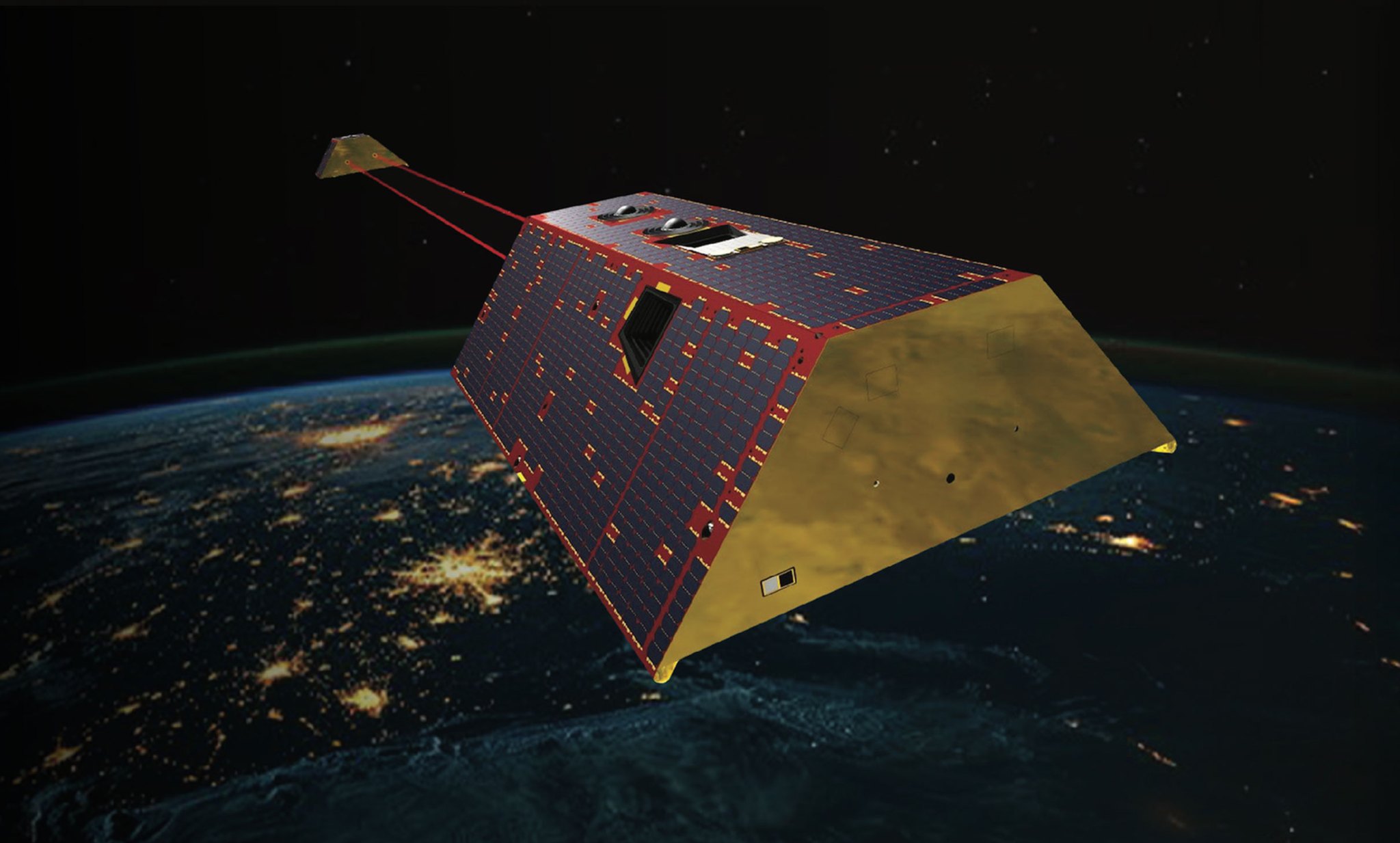
For nearly 25 years, NASA researchers have used pairs of satellites flying in tandem to track water movement and surface mass changes across Earth. Gravity Recovery and Climate Experiment-Continuity (GRACE-C) is the third iteration of this mission. Like its predecessors, GRACE-C will deploy twin satellites to measure monthly shifts in the planet’s gravity field and […]
For nearly 25 years, NASA researchers have used pairs of satellites flying in tandem to track water movement and surface mass changes across Earth. Gravity Recovery and Climate Experiment-Continuity (GRACE-C) is the third iteration of this mission. Like its predecessors, GRACE-C will deploy twin satellites to measure monthly shifts in the planet’s gravity field and monitor variations in ice sheets, glaciers, groundwater, soil moisture, and sea levels. Today, the NASA Office of Inspector General (OIG) released a report examining how the Agency has managed the project’s cost, schedule, and technical objectives.
The original GRACE mission operated from 2002 through 2017. Its successor, the Gravity Recovery and Climate Experiment Follow On (GRACE-FO) mission, launched in 2018 and will continue collecting data until GRACE-C commences. All three missions have been managed by NASA’s Jet Propulsion Laboratory (JPL).
As of May 2026, GRACE-C remained within the Agency-committed cost and on schedule to launch before July 2029. However, the project has already used a significant amount of its monetary reserves (known as unallocated future expenses or UFE) and has identified liens and risks that will further reduce the remaining UFE. A February 2026 independent cost estimate by JPL’s Integrated Program Evaluation Group indicated the project would overrun its $628 million project-managed development cost estimate amount by $9.3 million.
The OIG outlined multiple internal and external factors that have contributed to this risky reserve posture. For example, GRACE-C project management allocated UFE to offset increased costs from instrument development problems, quality issues, and disruptions from the California Eaton fire. JPL also adjusted the indirect cost rate it charged each program and project for fiscal year 2025. This raised GRACE-C’s cost by about $4.6 million—with an additional $13.3 million increase projected through 2029. Moreover, because GRACE-C subcontracts with European partners require payment in euros, an estimated $8 million will be needed to cover the unfavorable foreign exchange rate.
In addition to these challenges, the OIG identified opportunities for NASA and JPL to improve their international partner agreements. Specifically, auditors noted instances where formal project requirements were not consistently met, potentially putting mission goals at risk.
The OIG made two recommendations to help GRACE-C meet its schedule and cost objectives, ensuring NASA can continue building a comprehensive picture of Earth’s evolving water resources.