FarmFlux
NASA Science ·
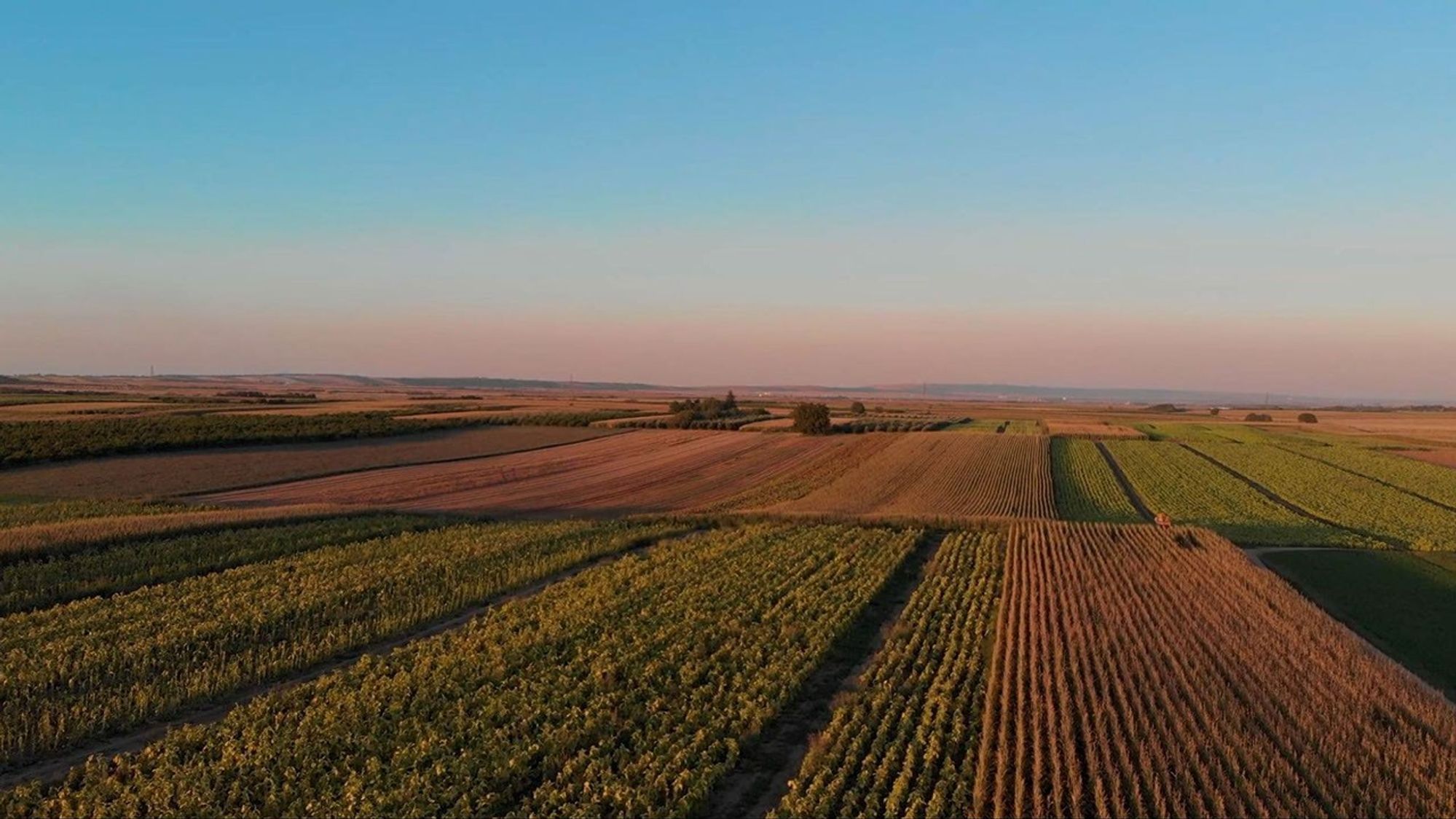
Designed to study agricultural emissions that contribute to greenhouse gases, as well as ground-level and stratospheric ozone. The post FarmFlux appeared first on NASA Science .
… EVS-4 FarmFlux Earth Explore Explore Earth Science Agriculture Air Quality Climate Change Drought Freshwater Life on Earth Severe Storms Snow and Ice The Global Ocean The Ozone Hole Science at Work Earth Science at Work Technology and Innovation Powering Business Multimedia Image Collections Videos Data For Researchers About Us FarmFlux
Agricultural emissions — primarily from crop fertilization and livestock — are traditionally understudied but important sources of trace gases and particles. In 2026 and 2027, NASA will measure ozone, methane, ammonia, and other pollutants rising from agricultural lands and animal farms stretching from the Midwest to California’s Central Valley. Researchers hope to characterize sources of these pollutants and track them as they travel and transform in the atmosphere. This data will help scientists better understand how agricultural operations and the atmosphere influence one another.
Mission Type
Launch
Objective
Agriculture is the single largest source of ammonia, methane, and nitrous oxide in the United States, and it is a rising source of other atmospheric emissions.
Nitrogen is essential to plant growth and animal production. Fertilizer application and manure management inevitably release nitrogen-containing gases, such as ammonia, nitrous oxide, and nitrogen oxides, in addition to methane and other carbon-containing gases. Agricultural emissions are challenging to quantify, and ground monitoring networks are sparse in rural areas. FarmFlux will deploy cutting-edge airborne instruments and techniques to fill this important and understudied gap in climate science and atmospheric research.
FarmFlux researchers will address four primary science questions:
The technology has evolved to meet this challenge. Airborne instruments are faster, more precise, and more compact than they were a decade ago. Instruments will be mounted onboard two aircraft: the King Air A200 will fly over livestock operations, and the NASA P-3 will fly over crop systems. Observations will feed air quality models used to forecast near-term air quality and simulate strategies for long-term air quality improvement.
Article 6 Min Read Chasing Fire Clouds in Utah
Article 6 Min Read New NASA Earth Missions Gear Up to Start Science Flights
The EVS-4 missions: FARMFLUX | FORTE | HAMAQ | INSPYRE | LACCE | SNOW4FLOW
Your home. Our Mission. And the one planet that NASA studies more than any other.
NASA's Earth Observatory brings you the Earth, every day: images, stories, and discoveries about the environment, Earth systems, and climate.
NASA Earth Science helps Americans respond to challenges and societal needs — such as wildland fires, hurricanes, and water supplies…
Collection of Earth science videos explaining a variety of concepts and activities performed by NASA's Earth Science Division.
The post FarmFlux appeared first on NASA Science .